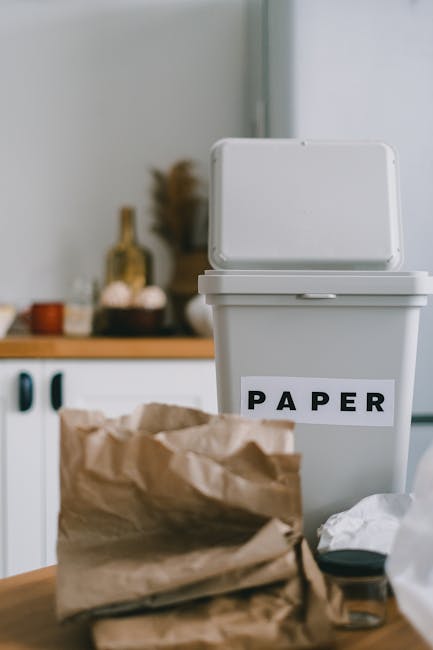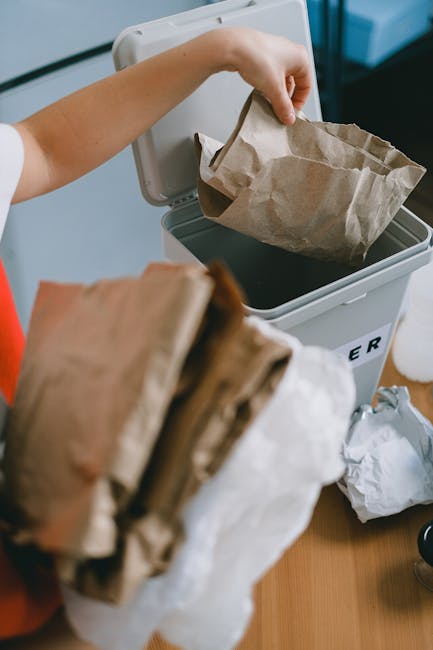
Mottingham Village household rubbish recycling spots: a practical guide for local households
If you live in or around Mottingham Village, you already know how quickly household waste can pile up. One week it is cardboard from a flat-pack delivery, the next it is a broken chair, old bedding, or bags of garden cuttings that somehow multiplied in the shed. Finding the right Mottingham Village household rubbish recycling spots makes all of that much easier, and yes, a lot less stressful.
This guide walks through how local recycling spots work, what they are best for, where people usually go wrong, and how to sort rubbish so it is accepted first time. You will also find a clear checklist, a comparison table, and a few sensible next steps if the waste is bigger than a normal household can manage alone.
- Why it matters
- How it works
- Key benefits
- Who needs this
- Step-by-step guidance
- Expert tips
- Common mistakes
- Tools and resources
- Law and compliance
- Options and comparison
- Real-world example
- Checklist
- Conclusion
- Frequently asked questions
Why Mottingham Village household rubbish recycling spots Matters
Household rubbish is one of those things that seems small until it is sitting in the hallway, under the stairs, or beside the wheelie bin after a busy weekend. Recycling spots matter because they give local residents a proper route for getting rid of common waste without dumping, overfilling bins, or turning the front garden into a temporary storage unit. Not ideal.
In a place like Mottingham Village, where people often juggle small homes, family schedules, and a mix of older and newer housing, the right recycling spot can save time and reduce mess. It can also stop recyclable items from going into general waste by accident, which is something many households do when the sorting feels too fiddly on a rainy Tuesday evening.
There is also a simple truth here: recycling works best when the system is convenient. If the nearest spot is easy to use, clearly signposted, and accepts the material you actually have, people are far more likely to do the right thing. If not, the bag stays in the boot for another day. Or three.
Expert summary: the best recycling spot is not just the nearest one. It is the one that matches your waste type, your schedule, and the way you can realistically transport it without hassle.
If you are dealing with more than a few bags, it may help to compare recycling with other removal options, such as waste removal or a wider home clearance service. That is especially useful when your waste is mixed, bulky, or awkward to carry.
How Mottingham Village household rubbish recycling spots Works
At a practical level, household recycling spots are places where residents can take recyclable materials rather than putting everything in the black bag. Depending on the site and local arrangements, that may include paper, card, glass, metal cans, plastic containers, textiles, small electrical items, or garden waste. Some spots are staffed, some are self-service, and some are designed more like drop-off points than full waste facilities.
The process is usually straightforward. You sort the material at home, transport it safely, and place it in the correct container or bay. The key bit is the sorting. Mixed loads cause problems fast. A clean cardboard box is useful; a greasy pizza box, less so. A bag of cans is great; cans hidden under food scraps, not so much.
For larger household clear-outs, many residents use recycling spots for what they can recycle and then arrange collection for the rest. That is where services like house clearance or garage clearance can fit in neatly. It is a practical split: recycle the easy stuff, remove the hard stuff responsibly.
It also helps to think about categories, not just objects. A broken lamp might involve metal, plastic, and an electrical component. An old sofa is usually not something you simply drop at a normal recycling point, which is why specialist disposal routes exist. Same with fridges, hazardous leftovers, and certain DIY waste. The wrong container, the wrong place, the wrong day - and you are back to square one.
Key Benefits and Practical Advantages
The main benefit is obvious: better waste handling. But the practical advantages go further than that.
- Less clutter at home: once waste is sorted and moved out, rooms feel calmer. Even a half-empty spare room can start looking bigger.
- Cleaner recycling habits: using local recycling spots makes it easier to keep reusable materials out of general waste.
- More efficient clear-outs: if you are doing a loft, shed, or kitchen tidy-up, separating recyclable items first saves time later.
- Lower contamination risk: clean sorting means your recycling is more likely to be accepted.
- Better support for bulky waste decisions: you can quickly see what belongs in a recycling spot and what needs a specialist route.
There is also a less visible benefit: better decision-making. Once people know where household rubbish should go, they waste less time debating whether an item counts as recycling, residual waste, or something that needs separate handling. That decision fatigue is real, honestly. A simple system reduces it.
If you care about reuse and sustainability, it can also be worth looking at the company's broader recycling and sustainability approach. That gives you a feel for how recyclable, reusable, and non-recyclable items are generally handled when a property needs more than a quick tidy.
Who This Is For and When It Makes Sense
Mottingham Village household rubbish recycling spots are useful for a wide range of people, but they are especially helpful in a few common situations.
Homeowners and tenants clearing regular household waste
If you are dealing with bottles, cans, cartons, packaging, old magazines, or a few bits of broken household plastic, a recycling spot is usually the simplest answer. You will notice the benefit most after a bigger delivery or a weekend declutter.
Families with mixed waste from day-to-day life
Families generate all sorts of recyclables without meaning to. School packaging, food containers, online shopping boxes, and worn-out textiles all add up. Having a regular place to take them keeps the house under control.
People doing room-by-room clear-outs
When you are sorting the loft, the spare room, or the garage, recycling spots can be part of the plan. They are particularly handy for items you can easily separate from the rest.
Anyone with bulky or awkward waste
Not everything fits into a normal household bin. If you are stuck with a worn mattress, an appliance, or a pile of mixed rubbish after renovation work, you may need a different solution. In those cases, services like mattress and sofa disposal, fridge and appliance removal, or builders waste clearance can be the more sensible route.
Truth be told, the best time to use a recycling spot is before the waste becomes a problem. Once it is damp, mixed, or wedged into the hall, everything gets harder.
Step-by-Step Guidance
Here is a simple way to deal with household rubbish in a way that is tidy, legal, and less stressful.
- Separate your waste into groups. Put recyclables, general rubbish, reusable items, and anything questionable into separate piles. A couple of cardboard boxes or sacks helps.
- Check what the item actually is. A plastic-looking tray might be foil-lined. A small appliance may contain parts that need special handling. It pays to look properly.
- Keep recyclables clean where possible. A quick rinse of food containers can make a big difference. No need to scrub them like surgery equipment, just keep them reasonably clean.
- Bundle and secure transport items. Loose glass, sharp metal, and torn bags can cause avoidable mess in the car. Use boxes, tubs, or sturdy sacks.
- Visit the appropriate recycling spot. Take the sorted items to the right containers, and do not mix categories if the site has clear rules.
- Handle the leftovers separately. Anything that cannot go into normal recycling should be dealt with through a suitable collection or disposal method.
Here is the part many people skip: if you have a mixed load, deal with the difficult items first on paper before you start carrying bags around. A quick plan saves two or three unnecessary trips. Maybe more.
For larger loads, it can help to book in advance through book online or to review pricing and quotes before deciding whether a recycling spot, skip-style solution, or full removal service is the better fit.
Expert Tips for Better Results
The best recycling habits are the ones you can keep up with on a normal weekday, not the perfect ones you do once and forget. A few small habits make a noticeable difference.
- Store a small sorting area at home. A laundry basket for paper, a tub for cans, and a sack for mixed plastics can keep things under control.
- Flatten cardboard as you go. It saves space in the hallway, the boot, and the recycling container. Small win, but a real one.
- Watch for contamination. Food residue, liquid, and mixed materials are the usual reasons recyclable items get rejected.
- Separate sharp or heavy items. Broken glass, ceramics, and metal offcuts should be wrapped or boxed so nobody gets a nasty surprise.
- Plan around opening times and access. If a recycling spot gets busy at weekends, a quieter weekday slot may be less stressful.
- Keep an eye on specialist waste. Batteries, appliances, paint, and chemical products need extra care.
One small but useful habit: keep a bag or box by the front door for items you know need recycling. That way the job starts before the collection day arrives. It sounds basic because it is basic. And basic works.
If you are clearing a property that has a lot of mixed household clutter, consider whether a broader service like furniture clearance or loft clearance might prevent multiple trips and repeated handling of heavy items.
Common Mistakes to Avoid
Most recycling problems come from a few predictable habits. The good news is that they are easy to fix once you spot them.
- Putting everything in one bag and hoping for the best. This is the fastest way to create contamination.
- Ignoring item-specific rules. Some items need special handling, even if they look ordinary.
- Leaving waste in the rain for too long. Wet cardboard, soggy paper, and food-stained packaging are much less useful for recycling.
- Assuming bulky waste can go anywhere. A sofa, mattress, or fridge usually needs a specific disposal route.
- Overfilling the car. It is tempting to squeeze one more sack in. Then the boot lid will not close properly. Been there, regrettably.
- Mixing dangerous materials with household rubbish. Anything that may be hazardous should never be guessed at.
Another common mistake is treating all clear-outs the same. A light declutter is very different from a full property clearance after a move, tenant change, or long-overdue garage clean. If you have a large amount of waste, a specialist route such as house clearance or flat clearance may be more efficient from the start.
Tools, Resources and Recommendations
You do not need fancy equipment to sort household rubbish well. A few simple tools make the process easier and safer.
- Sturdy bags or boxes: use these to keep recyclables grouped properly.
- Permanent marker: label bags for paper, plastics, metal, or general waste so nobody has to guess later.
- Gloves: useful for broken items, dusty loft waste, and old garden clear-outs.
- A small hand truck or trolley: handy if you are moving several heavy items.
- Basic cleaning cloths: useful for wiping containers before recycling them.
As a recommendation, keep one folder, note, or phone reminder for items you cannot recycle at a normal spot. That might include appliance disposal, confidential papers, or materials that need separate treatment. If paperwork is involved, confidential shredding may be worth looking at instead of placing documents in standard recycling.
For households that care about how waste is treated after collection, the company's recycling and sustainability page is a useful place to understand the broader approach. And if you want reassurance around safe handling and service quality, the pages on insurance and safety and health and safety policy are sensible reads too.
Law, Compliance, Standards, or Best Practice
For householders, the key point is simple: waste should be disposed of responsibly, and different materials often need different handling. You do not need to become an expert in waste law, but you do need to avoid mixing household recycling with items that may be hazardous, restricted, or unsuitable for ordinary collection.
Best practice in the UK generally means sorting waste properly, keeping recyclable materials clean where practical, and using a legitimate route for items that are not accepted in standard household recycling. If you are using a third-party collector, it is sensible to make sure they operate transparently and provide the right paperwork or service terms where relevant.
For businesses, rules and expectations can be stricter than for homes, which is why a dedicated business waste removal route is usually better than trying to rely on household-style recycling spots. Domestic and commercial waste are not the same thing, even if the bags look similar.
One area that deserves extra care is hazardous waste. Paint, solvents, oils, batteries, and certain electrical components should not be treated as normal rubbish. If you are unsure, do not guess. That is the kind of mistake people only make once.
For readers who value transparency, it is also worth reviewing the site's payment and security, terms and conditions, and privacy policy when arranging any paid service.
Options, Methods, or Comparison Table
Not every rubbish job needs the same solution. Sometimes a recycling spot is enough. Sometimes it is not even close. Here is a straightforward comparison.
| Option | Best for | Strengths | Limitations |
|---|---|---|---|
| Local household recycling spot | Sorted recyclables, small drop-offs, occasional items | Convenient, low-cost in practice, good for everyday recycling | Not suitable for mixed or bulky waste; may need transport and sorting |
| Home sorting and bin collection | Routine weekly household waste | Simple, familiar, no trip needed | Limited capacity; not enough for clear-outs or large items |
| Specialist item disposal | Fridges, sofas, mattresses, appliances | Handles awkward items safely and correctly | Not for everyday recyclables |
| Full property or room clearance | Lofts, garages, house moves, major declutters | Fast, organised, reduces multiple trips | Usually more involved than a simple recycling drop-off |
In practical terms, the decision usually comes down to volume, weight, and waste type. A few clean bags of recyclables? Recycling spot. A van-load of mixed furniture and leftover junk? That is a different conversation entirely.
Case Study or Real-World Example
A typical Mottingham Village household might start with something modest: two boxes of cardboard from a new bookcase, a few plastic food tubs, some old magazines, and a broken laundry basket. Easy enough. The resident sorts the recyclables, flattens the cardboard, and takes them to a suitable recycling point. Job done before lunch.
Then the bigger clear-out begins. A hall cupboard reveals spare cables, old paperwork, a damaged bedside table, and a bulky chair that has seen better days. Now the recycling spot still helps, but only for part of the load. The paper can be sorted, maybe the metal from the cables too, but the chair and table need another route. That is where it makes sense to combine recycling with a service such as furniture disposal or, if the job grows, a broader waste removal visit.
What usually happens next? The household feels much lighter, the hallway clears, and the recycling no longer sits in a pile waiting for "someday". It sounds ordinary, but that shift matters. Clutter has a way of draining energy quietly.
Small example, yes. But very real. And probably familiar.
Practical Checklist
Use this quick checklist before you head to any Mottingham Village household rubbish recycling spot.
- Have I separated recyclables from general rubbish?
- Are food containers reasonably clean and dry?
- Have I flattened cardboard to save space?
- Are broken items wrapped or boxed safely?
- Have I checked whether anything is hazardous or specialist waste?
- Do I know which items can go to the recycling spot and which cannot?
- Is the load small enough to transport safely in the car or by hand?
- Do I need a separate plan for bulky furniture or appliances?
- Have I got gloves, bags, or boxes ready?
- Would a collection service save me several trips?
If you tick most of those boxes, you are probably ready. If you cannot tick even a few of them, pause and re-sort. It is almost always worth the extra ten minutes.
Get a free quote today and see how much you can save.
Conclusion
Mottingham Village household rubbish recycling spots are at their best when they make good habits easy. They help local residents sort waste properly, reduce clutter, and avoid the awkward scramble of trying to work out where every bag, box, and broken item should go. Used well, they are a simple part of keeping a home tidy and environmentally responsible.
For small, clean, sorted recyclables, they are ideal. For mixed waste, bulky furniture, appliances, or larger clear-outs, they are only one part of the answer. The sensible approach is to match the method to the waste, not the other way round.
If you handle it steadily, one bag at a time, it all becomes manageable. Not glamorous, perhaps, but very satisfying when the job is done and the space finally feels like yours again.
Frequently Asked Questions
What counts as a household rubbish recycling spot in Mottingham Village?
It usually means a local place where residents can drop off recyclable household materials instead of putting them into general waste. The exact materials accepted vary, so check the rules before you go.
Can I take mixed rubbish to a recycling spot?
Usually no. Mixed rubbish is one of the main reasons loads get rejected or contaminated. Sort recyclables from general waste first, then take only the suitable items.
What should I do with a broken sofa or mattress?
Those are normally specialist disposal items rather than standard recycling-spot waste. A dedicated service such as mattress and sofa disposal is generally the better route.
Are old fridges and appliances accepted at normal recycling spots?
Not always. Large appliances often need separate handling because they may contain electrical parts or materials that require specialist treatment.
Do I need to clean food packaging before recycling it?
Yes, reasonably clean is best. You do not need to make everything spotless, but removing food residue helps prevent contamination and bad smells.
Is it worth using a recycling spot for just a few items?
Often yes, especially if the items are easy to sort and transport. A small, well-organised drop-off can be simpler than waiting for the pile to grow.
What if I have a loft full of mixed household waste?
That is when a recycling spot may only solve part of the problem. A loft clearance can be a better fit because it handles mixed, bulky, and awkward items in one go.
Can I recycle old paperwork and confidential documents there?
Some paper can be recycled, but confidential paperwork is better handled through a confidential shredding route if privacy matters.
How do I know if something is hazardous?
If it is chemical, oily, battery-related, or otherwise likely to need special handling, treat it with caution. If you are unsure, do not mix it with normal household rubbish.
What is the biggest mistake people make with recycling spots?
The biggest mistake is probably contamination: putting the wrong material in the wrong container or leaving food-stained items mixed in with clean recyclables.
Should I use a skip instead of a recycling spot?
Sometimes. If you have a lot of mixed waste from a clear-out or DIY job, a skip may be more practical. To understand what is typically allowed, the page on what can go in a skip is a useful starting point.
Where can I learn more about local waste handling and service options?
You can explore the site's service pages for options such as house clearance, garden clearance, and broader waste removal support, depending on the type of waste you need to handle.
What if I still am not sure where my rubbish should go?
When in doubt, stop and sort it again before you travel. A few minutes of checking is much better than making a wasted trip or putting something in the wrong place.
How can I make recycling at home easier long term?
Keep a small sorting system in the kitchen, garage, or utility area. Label containers, flatten cardboard as you go, and deal with awkward waste early rather than leaving it until the weekend.