The Art of Upcycling: Making Everyday Garbage Into Handcrafted Wonders
Upcycling has rapidly evolved from a creative hobby to a transformative environmental movement. Unlike recycling, which breaks items down to their raw state, upcycling breathes new life into discarded materials, turning what most consider garbage into stunning, functional, and often artisanal treasures. In this in-depth article, we explore the art of upcycling, uncover tips and techniques, and share inspiring ideas for "making everyday garbage into handcrafted wonders."
Table of Contents
- What is Upcycling?
- Why Upcycle? - The Environmental and Social Impact
- Best Materials for Upcycled Handcrafts
- Creative Upcycling Ideas: Turning Trash to Treasure
- Step-by-Step Guide: Upcycling Everyday Items
- Upcycling As An Art Form
- Top Tips for Successful Upcycling Projects
- Upcycling and a Sustainable Future
- Conclusion: The Joy of Transformation
- FAQs: Getting Started on Your Upcycling Journey
What is Upcycling?
Upcycling, also referred to as creative reuse, is the process of converting everyday garbage and waste materials into new products of higher quality or value. Unlike recycling, which typically requires energy-intensive processes to break down and remake objects, upcycling preserves the original form of everyday items as much as possible, creatively transforming them into something beautiful, useful, or even artistic.
- Upcycled items retain the character and story of the original.
- Handcrafted wonders often fuse art, design, and functionality.
- Upcycling garbage reduces waste and inspires creativity.
The possibilities in upcycling art are only limited by imagination. From turning old magazines into colorful bowls to repurposing bottles into stunning lamps, the journey from trash to treasure is filled with creative discoveries.
Why Upcycle? - The Environmental and Social Impact
The rise of upcycling is more than a trend--it's a response to global environmental challenges and a way to foster community, skill-building, and creative resilience. Wondering why you should develop the art of upcycling?
1. Reducing Landfill Waste
Millions of tons of waste--paper, plastic, metal, textiles--end up in landfills every year. Upcycling everyday garbage combats this by diverting waste streams, giving objects a second life instead of contributing to pollution.
2. Cutting Down on Manufacturing Costs & Emissions
Using upcycled materials reduces the demand for new resources, minimizing the energy and water used in production and decreasing greenhouse gas emissions.
3. Empowering Communities and Makers
Many community art projects and social enterprises are founded on upcycling creativity. These initiatives provide employment, foster local pride, and create connections, all while promoting environmental responsibility.
4. Unique Personal Expression
Handcrafted wonders made from upcycled items are one-of-a-kind, bearing the maker's style and vision. No two upcycled creations are ever identical, making them both meaningful and valuable.
Best Materials for Upcycled Handcrafts
Certain materials are particularly well-suited for upcycling projects. Here are some common (and surprising) sources:
- Glass bottles & jars: Transform into vases, lights, storage, or art pieces.
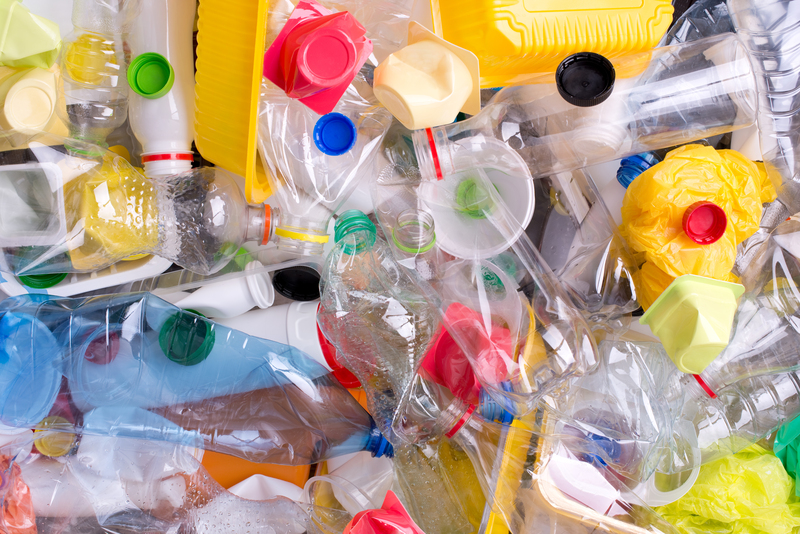
- Plastic containers: Cut and shape into organizers, planters, toys, or jewelry.
- Cardboard & paper: Used for sculpture, weaving, frames, or journal covers.
- Old textiles & clothes: Patchwork quilts, tote bags, cushion covers, or wall art.
- Metal cans & lids: Great for garden tools, decorative lanterns, or quirky robots.
- Pallet wood and scrap lumber: Build furniture, garden beds, wall art, and shelves.
- Electronic waste: Create steampunk-style jewelry or inventive tech-based art.
- Odds and ends: Buttons, bottle caps, broken jewelry, even bicycle parts--potential upcycling goldmines.
What may seem like everyday garbage can become the treasured core of your next handcrafted masterpiece!
Creative Upcycling Ideas: Turning Trash to Treasure
Ready to make handcrafted wonders from discarded materials? Here are some inspiring upcycling ideas to get your creativity flowing.
1. Glass Bottle Lamps
Upcycle colored wine bottles into striking pendant lights. Fit with a simple bulb and wire kit, and you have sustainable, unique lighting that adds charm to any room.
2. Denim Patchwork Quilt
Don't discard those old jeans--cut them into squares and sew them into a rustic, durable quilt. Add pockets for hidden storage, or embellish with embroidery for added flair.
3. Tin Can Herb Gardens
Cleaned tin cans are perfect for windowsill herb planters. Paint or decorate them and hang using twine for a vertical mini-garden.
4. Cardboard Playhouses for Kids
Use large cardboard boxes to craft imaginative playhouses, cars, or castles. These projects are eco-friendly, fun, and safe for children.
5. Plastic Bottle Broom
Cut and assemble the bottoms of plastic bottles for a homemade broom that actually works--proof that upcycling everyday items can be both creative and practical.
6. Pallet Coffee Tables
Wooden pallets can be sanded, painted, and stacked to create sturdy, rustic coffee tables--perfect conversation starters that save trees.
7. Magazine Bowls
Roll and glue colorful magazine pages to mold artistic bowls, trays, or wall art, turning useless paper waste into vibrant decor.
Step-by-Step Guide: Upcycling Everyday Items
Let's create a simple upcycling project together--a decorative vase from an old glass bottle.
- Step 1: Clean the glass bottle and remove label residue with warm soapy water or a vinegar scrub.
- Step 2: Choose your paint or embellishments. Acrylic paints, hemp twine, beads, or fabric scraps all work well.
- Step 3: Apply a base coat if painting, allowing it to dry fully.
- Step 4: Get creative! Wrap the neck with twine, glue on beads, or stencil a design.
- Step 5: (Optional) Seal with clear spray for durability.
- Step 6: Display proudly--and perhaps fill with freshly upcycled paper flowers!
Pro tip: Document your process with photos to share your upcycling journey online and inspire others!
Upcycling As An Art Form
The world of upcycled art is both imaginative and impactful. Artists worldwide are transforming garbage into gallery-worthy wonders, sending powerful messages about waste, consumption, and renewal.
Famous Upcycled Artworks & Artists
- Vik Muniz crafts astonishing portraits from landfill materials, highlighting the beauty of the overlooked.
- Sayaka Ganz creates animal sculptures entirely from found plastic objects and utensils.
- In India, Subodh Gupta uses discarded pots and pans to build monumental installations with social commentary.
Upcycling art isn't just for professionals--many communities host workshops and public installations, bringing neighbors together for hands-on creativity and positive change.
Top Tips for Successful Upcycling Projects
- Start small--pick simple projects like planters or storage bins before moving to furniture or art installations.
- Collect and sort materials--store clean, safe discards in labeled bins for easy access when inspiration strikes.
- Prioritize safety--always wear gloves, goggles, or masks when handling potentially hazardous items, sharp tools, or certain paints/adhesives.
- Use eco-friendly products--opt for non-toxic paints, glues, and finishes whenever possible.
- Let creativity guide you--see every piece of garbage as a blank canvas for invention.
- Share and connect--join online upcycling communities for feedback, tutorials, and fresh ideas.
- Teach and inspire others--upcycling is contagious; host workshops or gift your creations to spread the movement.
Remember, imperfections highlight the handmade charm of upcycled wonders. Embrace the quirks!
Upcycling and a Sustainable Future
The broader impact of upcycling everyday garbage is profound. Widespread creative reuse could significantly reduce global waste, drive sustainable businesses, and even transform local economies. As more people embrace the art of upcycling:
- Supply chains shrink, with more materials sourced locally.
- Landfills and pollution decrease, preserving natural habitats and public health.
- Art and design are democratized, as anyone can become a creator using found materials.
- Upcycled products gain commercial value, leading to new entrepreneurial opportunities.
Whether for the planet, your community, or your creative soul, embracing handcrafted upcycling wonders is an eco-friendly act with ripple effects for generations.
Conclusion: The Joy of Transformation
The art of upcycling challenges us to see possibility where others see limitation. It's about recognizing beauty in discarded objects, honoring the environment, and expressing yourself through handcrafted wonders. Whether you're sculpting a masterpiece from scrap metal or weaving waste paper into functional art, every project is a statement of hope, ingenuity, and care for the world.
With every upcycled creation, the line between garbage and gold blurs--proving that what we throw away today could be tomorrow's celebrated treasure. So gather your would-be trash, let your imagination lead, and join a growing movement that's changing the world, one upcycled wonder at a time.
FAQs: Getting Started on Your Upcycling Journey
Q: What are the easiest materials for beginners to upcycle?
Glass jars, tin cans, cardboard, and old clothing are all great starting points. They are safe, versatile, and require minimal tools to upcycle.
Q: Can upcycling make a difference for the planet?
Absolutely! Over time, upcycling garbage reduces landfill waste, conserves resources, and inspires eco-friendly habits. Multiply your efforts by encouraging others to upcycle as well.
Q: What tools do I need for basic upcycling projects?
Scissors, glue, paintbrushes, sandpaper, and safe cutting tools are usually enough for most small projects. As you advance, consider investing in a drill, sewing machine, or power saw for more ambitious creations.
Q: Where can I find upcycling ideas and community?
Online platforms--such as Pinterest, Instagram, Reddit, and dedicated upcycling blogs--are treasure troves for inspiration, step-by-step guides, and connecting with like-minded makers.
Q: What are the most innovative upcycling projects you've seen?
The most memorable involve large-scale art installations made entirely of plastic waste, entire homes built with scrap materials, and businesses creating fashion or furniture from discarded items. The sky's the limit!
Ready to turn your trash into treasure? Start today, and discover the incredible art of upcycling for a more sustainable, creative future.